
Communication towers can be categorized into various types based on their structural forms and application scenarios, each with its own distinct characteristics.
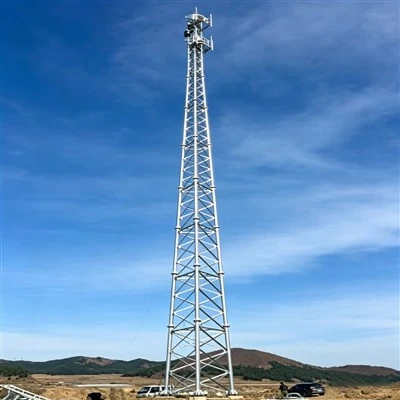
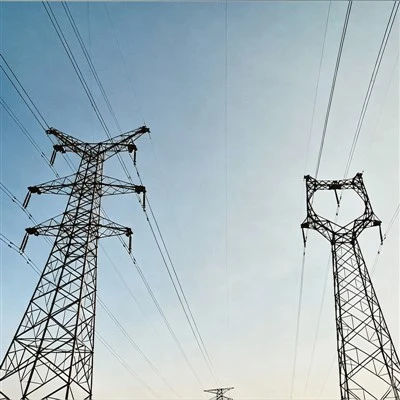
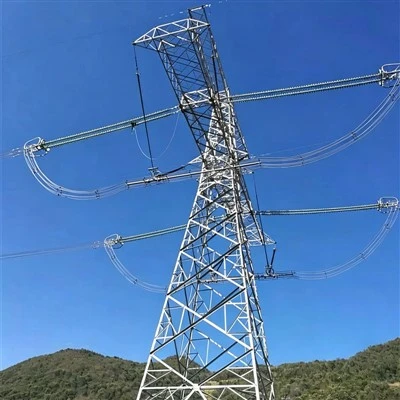
Angle Steel Towers: Assembled from angle steel, these towers offer high load-bearing capacity and can support a large number of antennas; however, they have a large footprint and average aesthetic appeal, making them more suitable for suburban or rural areas.
Steel Pipe Towers: Constructed primarily from steel pipes, these towers have a slimmer profile than angle steel towers and require less steel. They offer superior overall performance and are ideal for sites with limited space or locations close to existing buildings.
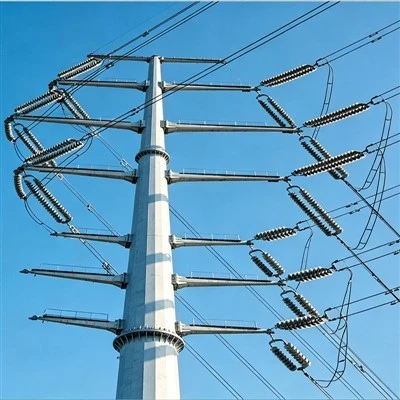
Monopole Towers: Consisting of a single vertical column, these towers feature a simple structure, a small footprint, and ease of construction. With their attractive appearance, they are well-suited for city centers, densely populated areas, or locations with strict aesthetic requirements.
Guyed Towers: These feature a slender tower body stabilized by guy wires. While lightweight and easy to install, they require a large footprint and have relatively lower load-bearing capacity; they are commonly used in open mountainous regions or rural areas.
Landscape Towers: Essentially aesthetic versions of monopole towers, these can be designed to resemble bionic trees or light poles, allowing them to blend into the surrounding environment and achieve a camouflaged effect.
Three-Pipe Communication Towers: These feature tower sections with an equilateral triangular cross-section and use uniform-diameter steel pipes as the main structural members. The overall structure forms an equilateral triangular prism, making them suitable for sites with limited space.