
I. Structural Characteristics of Angle Steel Towers
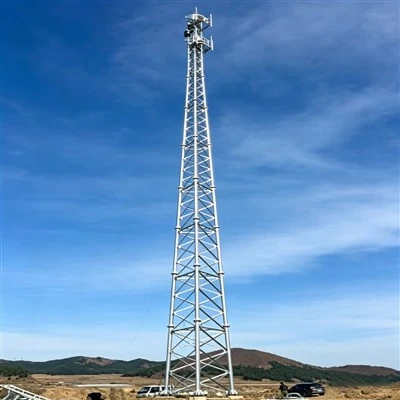
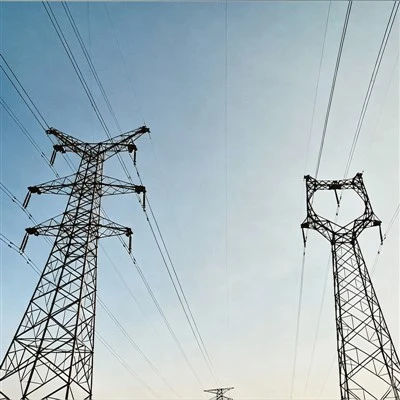
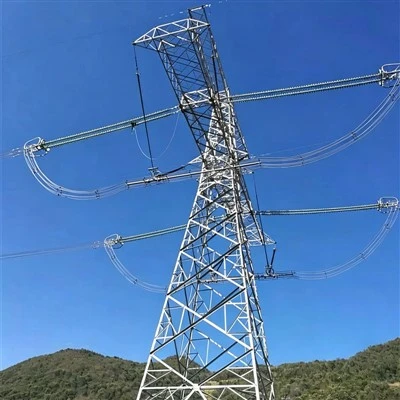
Angle steel towers are common supporting structures primarily composed of angle steel members connected via bolting or welding. Their distinctive triangular cross-section design provides excellent stability and load-bearing capacity. Typically consisting of multiple standard segments, these towers facilitate easy transportation and on-site assembly. Favored for their modular design and cost-effectiveness, they are widely used in sectors such as power transmission and telecommunications infrastructure.
II. Engineering Advantages of Angle Steel Towers
- Cost-Efficiency: Angle steel is relatively inexpensive and easy to fabricate, effectively reducing overall project costs.
- Ease of Installation: Prefabricated components allow for mass production in factories and simple on-site assembly, significantly shortening construction timelines.
- High Adaptability: Height and structural strength can be adjusted to meet specific requirements, making them suitable for diverse terrains and climatic conditions.
- Simple Maintenance: The clear, straightforward structure facilitates routine inspections and repairs.
III. Application Scenarios for Angle Steel Towers
Angle steel towers are particularly well-suited for applications requiring medium-height support, such as:
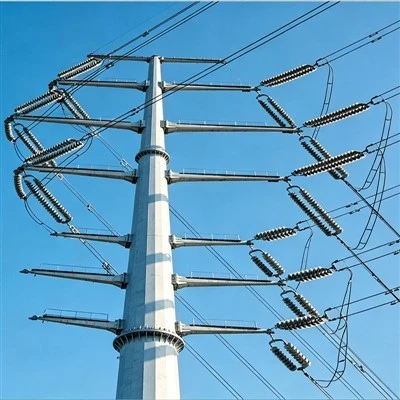
- Power transmission towers
- Mobile communication base stations
- Small-scale wind turbine units
- Temporary structural supports
- Structural frameworks for industrial facilities
In these scenarios, angle steel towers demonstrate unique value by balancing performance with cost-effectiveness.