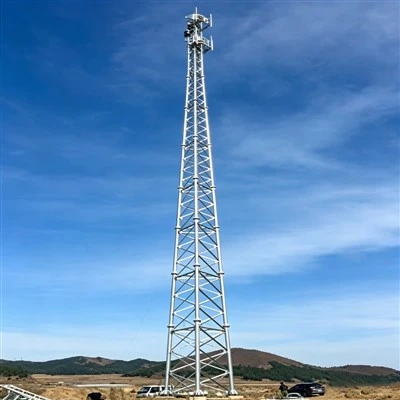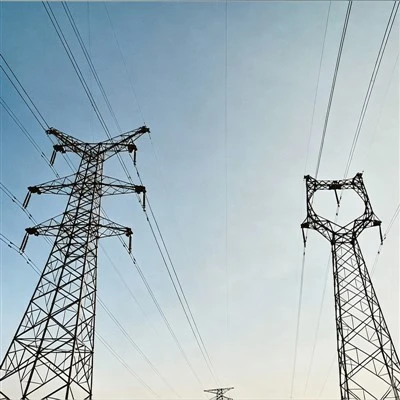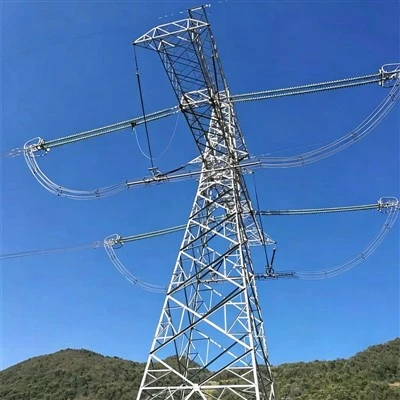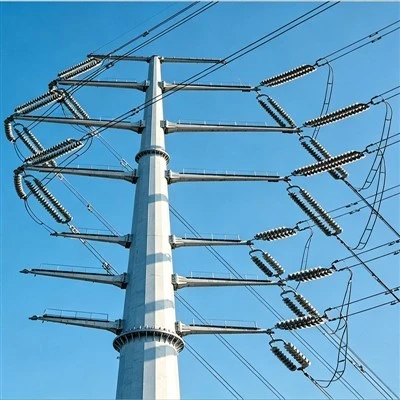

High Load-Bearing Capacity and Lightweight Design: Steel offers far greater strength than concrete; despite smaller cross-sections, it provides high load-bearing capacity. Its self-weight is only one-third to one-quarter that of a concrete structure of the same specifications, significantly reducing foundation loads and seismic forces.
Efficient and Rapid Construction: Components are prefabricated in factories and assembled on-site via bolting or welding. Construction is minimally affected by weather, and the project timeline is 30% to 50% shorter than that of traditional structures, facilitating the rapid commissioning of power grid facilities.
Excellent Seismic Resistance and Ductility: Uniform material properties and high plasticity allow for the absorption of significant seismic energy, preventing brittle failure and ensuring structural stability against collapse under extreme conditions.
Long Spans and Spatial Flexibility: Facilitates the design of large-span structures-such as portal or pi-shaped frames-meeting requirements for safe clearances for high-voltage conductors and optimized equipment layout.