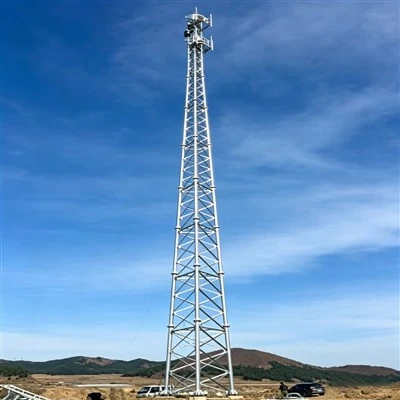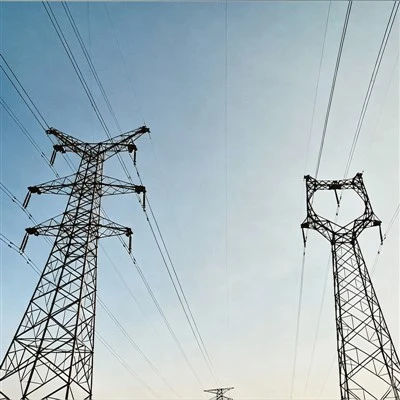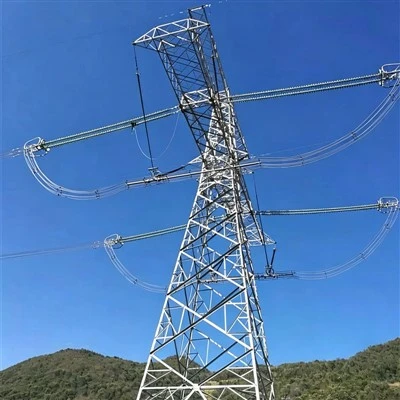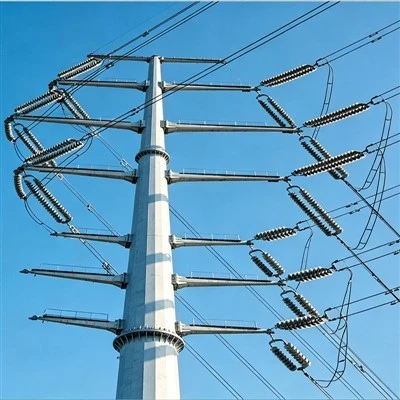

In terms of practical application, angle-steel transmission towers are primarily deployed on overhead transmission lines ranging from 110 kV to 750 kV, spanning diverse terrains such as plains, hills, and mountainous regions. Their modular design facilitates transportation and on-site assembly, making them particularly suitable for areas with challenging construction conditions or limited accessibility. Even under extreme weather conditions-such as high winds or ice accumulation-these towers maintain a high safety margin and ensure grid reliability through optimized structural configuration and material selection.
Suitable for 110 kV–750 kV transmission lines; designs featuring unequal leg lengths (with height differences of up to 10 meters) are preferred for mountainous and hilly areas.
Compared to tubular steel towers, angle-steel towers offer a cost saving of 15%–20%, though they possess slightly lower wind resistance (recommended for inland regions).