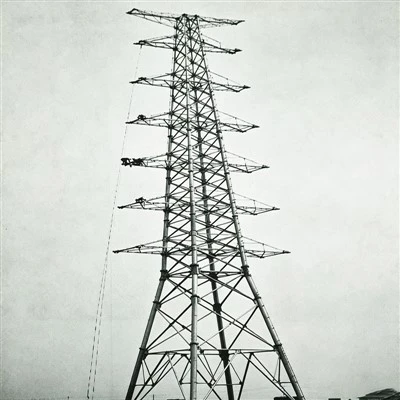


When was the Broadcast Four Leg Tower built?
Hey there! As a supplier of Broadcast Four Leg Towers, I often get asked about the history and the construction timeline of these amazing structures. So, let's dig into it.
First off, the concept of broadcast towers has been around for quite a long time. Back in the early days of radio and television broadcasting, companies and broadcasters were on the hunt for ways to transmit signals over longer distances. That's when the idea of building tall towers came into play.
The first broadcast towers were relatively simple in design. They were made to support antennas and other broadcasting equipment. As technology advanced, the need for more stable and efficient towers emerged. And that's where the four - leg tower design started to gain popularity.
The four - leg tower has a distinct advantage. Its base is supported by four legs, which provides a wider footprint and better stability compared to some other tower designs. This stability is crucial, especially when you're dealing with high - wind areas or when the tower needs to support heavy equipment.
But when exactly were the Broadcast Four Leg Towers built? Well, it's a bit hard to pin down an exact date because the development happened gradually. The construction of broadcast towers really took off in the mid - 20th century. As television became more widespread in the 1950s and 1960s, broadcasters were constantly looking for ways to improve their signal coverage.
During this time, engineers and construction teams started building more sophisticated four - leg towers. These towers were designed to reach greater heights, which allowed for better signal propagation. They were built using stronger materials like steel, which could withstand the elements and the weight of the broadcasting equipment.
In the 1970s and 1980s, with the advent of new broadcasting technologies, the demand for even more advanced Broadcast Four Leg Towers increased. Digital broadcasting was on the horizon, and broadcasters needed towers that could support the new types of antennas and transmitters.
As a supplier, we've seen firsthand how the design and construction of these towers have evolved over the years. We offer a wide range of Broadcast Four Leg Towers, each tailored to the specific needs of our clients. Whether it's a small - scale local broadcaster or a large national network, we've got a solution.
Now, let's talk about some of the other types of four - leg towers we supply. We have the Microwave Four Leg Tower. These towers are used for microwave communication, which is essential for high - speed data transfer and telecommunications. They're designed to be highly stable and to support the sensitive microwave equipment.


Then there's the Macro Cell Four Leg Tower. These are commonly used in mobile networks to provide wide - area coverage. They're built to support multiple antennas and can be adjusted to meet the specific coverage requirements of a particular area.
Another interesting type is the Fire Watch Four Leg Tower. These towers are used in forested areas to provide a vantage point for fire watchers. They're designed to be tall enough to give a clear view of the surrounding area and to be sturdy enough to withstand harsh weather conditions.
Of course, our main focus is the Broadcast Four Leg Tower. We've been involved in the construction and supply of these towers for many years. Our team of experts works closely with clients to understand their needs and to design a tower that meets their specific requirements.
When it comes to building a Broadcast Four Leg Tower, there are several factors to consider. First of all, the location is crucial. You need to find a spot that's clear of obstacles and has a good line of sight for signal transmission. The soil conditions at the site also need to be evaluated. The tower needs a solid foundation, and depending on the soil type, different foundation techniques may be required.
The height of the tower is another important factor. The taller the tower, the better the signal coverage. But taller towers also come with greater engineering challenges. You need to make sure the tower is stable enough to withstand the wind loads at that height.
The materials used in the construction are also key. We use high - quality steel that's been treated to resist corrosion. This ensures that the tower will last for many years, even in harsh environments.
If you're in the market for a Broadcast Four Leg Tower or any of our other four - leg tower products, we're here to help. We've got a wealth of experience in the industry, and we're committed to providing the best possible products and services. Whether you're just starting out in broadcasting or you're looking to upgrade your existing tower, we can work with you to find the perfect solution.
If you have any questions or if you'd like to discuss your project in more detail, don't hesitate to reach out. We're always happy to have a chat about your needs and how we can help you achieve your goals. Contact us today to start the conversation about your next tower project!
References
- General knowledge of broadcast tower history and development
- Industry reports on the evolution of tower construction and design
- In - house expertise from years of experience in the tower supply business